


Essential Character Traits That Build the Best Athletes
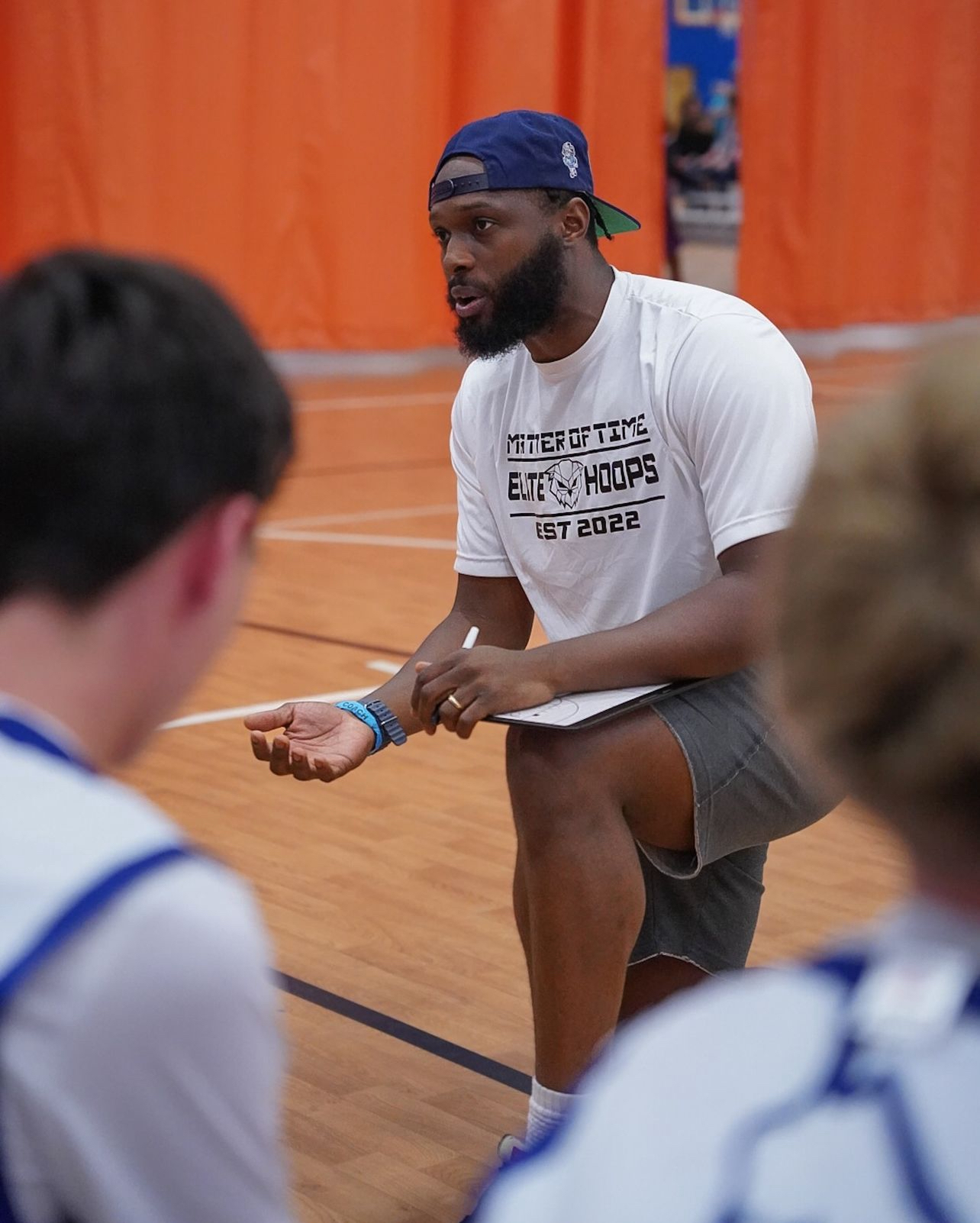
Athletes often stand out not just because of their physical abilities but because of the character traits that drive their success. Talent alone rarely leads to greatness. Instead, a combination of mental strength, discipline, and resilience shapes the best athletes. Understanding these traits can help aspiring athletes and coaches focus on what truly matters beyond physical training.

Mental Toughness and Resilience
One of the most important traits for any athlete is mental toughness. This means the ability to stay focused and perform under pressure, even when facing setbacks. For example, tennis player Serena Williams has shown remarkable resilience by coming back from injuries and personal challenges to win major titles. Mental toughness helps athletes push through pain, fatigue, and doubt.
Resilience also means learning from failure. Athletes who see losses as opportunities to improve tend to develop faster. Instead of giving up after a bad game or season, they analyze what went wrong and work harder. This mindset separates good athletes from great ones.
Discipline and Consistency
Discipline is the foundation of athletic success. It involves sticking to training schedules, following nutrition plans, and maintaining healthy habits. Consistency in these areas builds the physical and mental endurance needed for competition.
For instance, marathon runners train daily for months or years, gradually increasing their mileage. They do not skip workouts or indulge in unhealthy foods because they understand the long-term impact of discipline. This steady effort leads to improved performance and injury prevention.
Passion and Motivation
Passion fuels motivation, which keeps athletes going through tough times. When athletes love their sport, they are more likely to dedicate time and energy to improve. This intrinsic motivation is stronger than external rewards like trophies or money.
Take Michael Phelps, the most decorated Olympian, who has spoken about his deep love for swimming. His passion drove him to train multiple times a day, even when it was exhausting. Passion also helps athletes stay motivated during off-seasons or recovery periods.
Adaptability and Coachability
The best athletes remain open to learning and adapting. Sports constantly evolve, and athletes must adjust their techniques, strategies, and mindsets. Being coachable means accepting feedback without defensiveness and applying it to improve.
For example, basketball player LeBron James has adapted his playing style over the years to stay effective. He listens to coaches and teammates and is willing to change habits that no longer serve him. This flexibility keeps athletes competitive and relevant.
Strong Work Ethic and Commitment
Hard work is non-negotiable for top athletes. Talent can only take someone so far; commitment to training and improvement is what makes the difference. A strong work ethic means showing up every day ready to give your best effort.
Consider Simone Biles, whose dedication to gymnastics includes hours of practice and strict routines. Her commitment has earned her multiple world championships and Olympic medals. This trait also means sacrificing short-term pleasures for long-term goals.

Confidence and Self-Belief
Confidence allows athletes to trust their skills and make bold decisions during competition. Self-belief helps them stay calm and focused, even when facing tough opponents or high stakes.
Confidence is built through preparation and experience. When athletes train well and accumulate successes, they develop trust in their abilities. This mindset can be seen in soccer star Lionel Messi, who remains composed under pressure and takes risks that often pay off.
Teamwork and Communication
While many sports highlight individual performance, teamwork is essential in team sports and even individual sports with support staff. The ability to communicate clearly and work with others improves performance and creates a positive environment.
Athletes who respect teammates and coaches foster trust and cooperation. For example, in football, quarterbacks must communicate effectively with receivers and linemen. Good teamwork also helps athletes stay motivated and accountable.
Patience and Long-Term Vision
Success in sports rarely happens overnight. Patience allows athletes to stay focused on their long-term goals without getting discouraged by slow progress. A long-term vision helps them plan their training, recovery, and competition schedules wisely.
Young athletes often face pressure to succeed quickly. Those who develop patience understand that building skills and strength takes time. They avoid burnout by pacing themselves and celebrating small milestones.
The best athletes combine mental strength, discipline, passion, adaptability, and teamwork to reach their highest potential. These character traits create a foundation that supports physical talent and hard work. Aspiring athletes should focus on developing these qualities alongside their physical training.

Comments